


Waterfall Sinks Australia: The Kitchen Design Trend Behind the Look
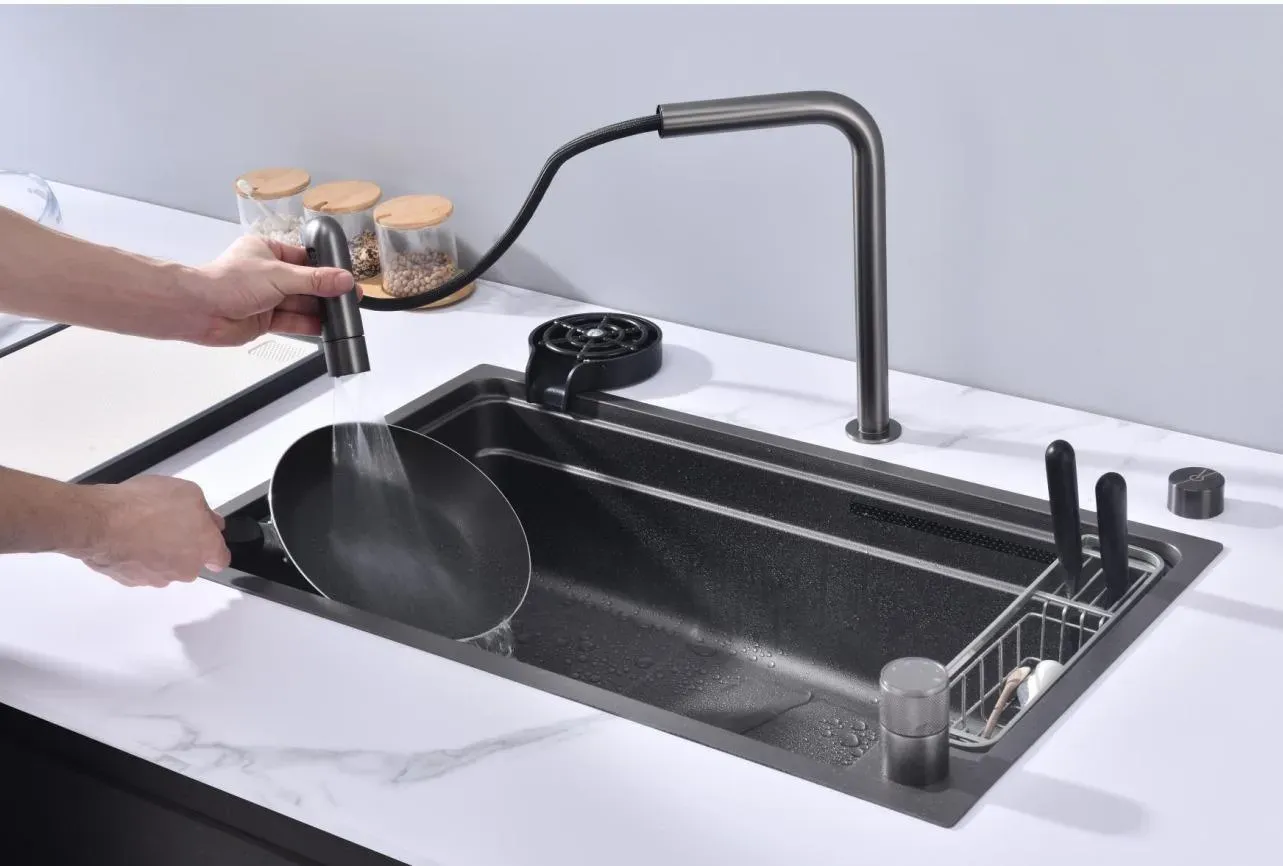
By Hayden Hus, Sydney Homewares
The kitchen has always been the heart of the home, and recent design trends emphasise not only functionality but also aesthetic appeal. One of the latest and most striking movements is the integration of waterfall sinks, which is rapidly gaining traction in Australian kitchens. This article explores the significance of waterfall sink designs, highlighting their seamless integration with contemporary kitchen aesthetics, along with the numerous functional benefits they offer. Whether you're renovating or designing a new kitchen, understanding why waterfall sinks are trending can provide valuable insights into modern kitchen design.
Waterfall sinks, characterized by their unique design where the countertop flows seamlessly into the basin, not only enhance visual appeal but also improve utility. Throughout this article, we will delve into the latest kitchen design trends, integrated sink ideas, and various styling options that showcase the beauty and functionality of waterfall sinks. We will also explore the advantages these sinks bring to kitchen spaces, making them a striking choice for any homeowner.
Latest Kitchen Design Trends
In the realm of kitchen design, trends frequently evolve to reflect homeowners' preferences for style and functionality. Current trends emphasise the seamless integration of fixtures, with waterfall sinks at the forefront of this evolution. These sinks not only provide an artistic flair but also align perfectly with a growing preference for sustainable, eco-friendly fixtures.
Key points trending in kitchen design today include:
-
Seamless Integration: Homeowners favour designs that create fluidity between features, and waterfall sinks embody this principle.
-
Use of Sustainable Materials: More homeowners are opting for eco-friendly fixtures, aligning with the global push towards sustainability.
-
Natural Aesthetics: Designs that incorporate natural materials and finishes are gaining traction, enhancing the overall ambiance of the kitchen.
These trends reflect a broader movement towards creating sophisticated yet practical kitchen spaces, making waterfall sinks a relevant choice.
Integrated Sink Ideas
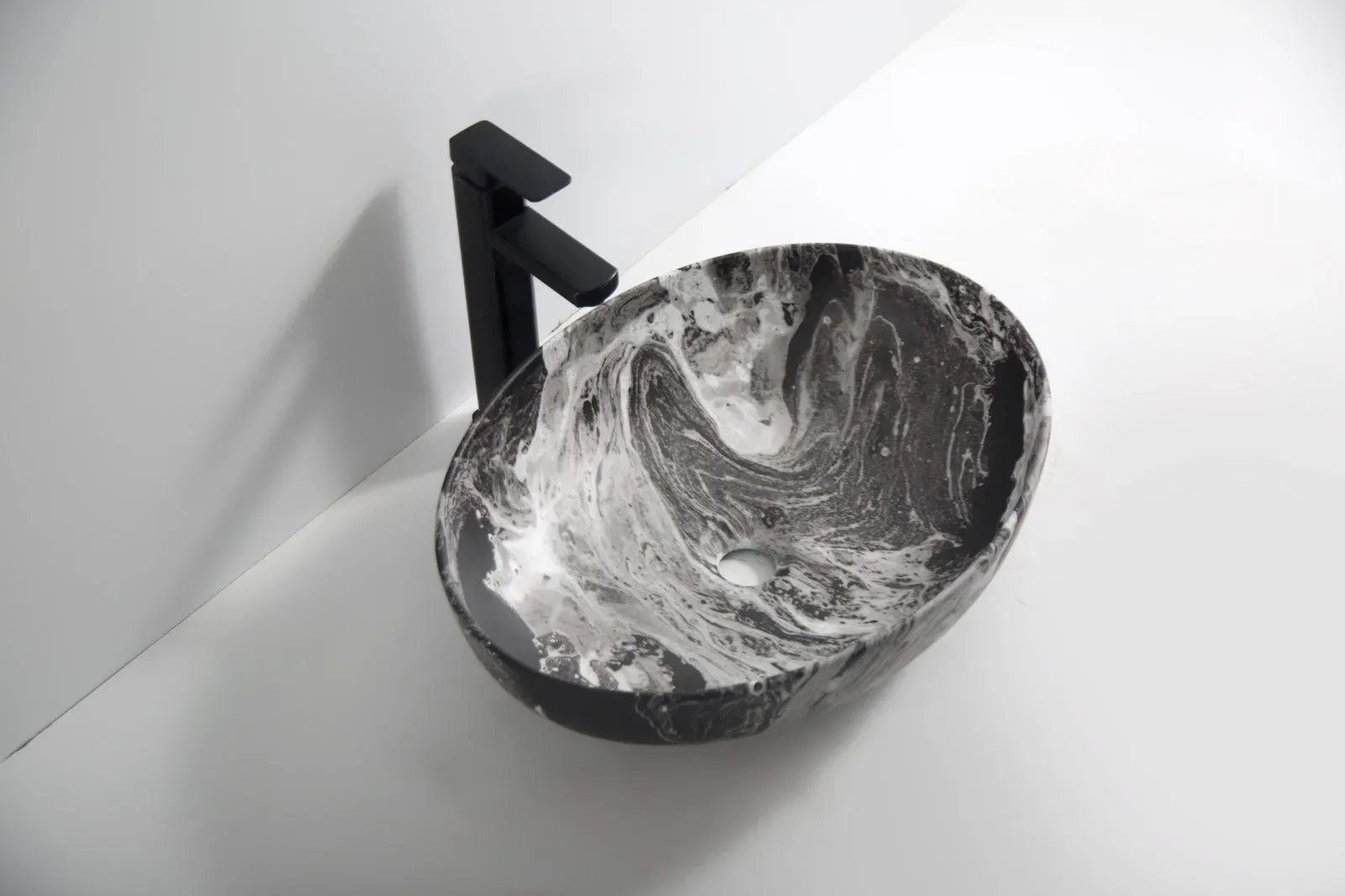
Integrating sinks into the overall design of a kitchen elevates the space's functionality and style. Waterfall sinks, in particular, offer innovative approaches to enhancing the kitchen layout. The trend for integrated sinks includes unique ideas aimed at maximising both aesthetics and utility.
Some notable integrated sink ideas include:
-
Built-in Accessories: Many waterfall sinks incorporate integrated chopping boards or colanders directly into the design, enhancing functionality.
-
Customisation Options: Homeowners can select various finishes and materials to align with their kitchen decor, whether modern or traditional.
-
Unified Designs: Sinks can be designed to match the counter texture and colour, creating a cohesive look that stands out yet maintains harmony.
These integration ideas significantly contribute to a well-planned kitchen space that balances beauty with utility.
Styling Options
Styling options for waterfall sinks are diverse, allowing homeowners to showcase their personal taste while ensuring functionality. Choosing the right styling for a sink can enhance its appeal and optimise its utility in the kitchen.
Popular styling options include:
-
Material Variety: Sinks made from granite, quartz, or even stainless steel offer distinct looks and benefits, appealing to a wide range of preferences.
-
Bold Finishes: Waterfall sinks can feature eye-catching finishes, such as polished or matte surfaces, allowing for unique expressions in kitchen design.
-
Minimalist Designs: For those who favour simplicity, a minimalist approach emphasises clean lines and understated elegance in waterfall sinks.
These styling options contribute to creating personalized cooking spaces that reflect individual preferences and complement kitchen dynamics.
Functional Benefits
Waterfall sinks are not just a trendy choice; they also offer practical advantages that enhance kitchen functionality. Their unique design and integration into the countertop bring several benefits to kitchen users.
The key functional benefits include:
-
Ease of Cleaning: The smooth, seamless design reduces the chances of dirt accumulation, making maintenance straightforward.
-
Improved Water Flow: Waterfall sinks facilitate efficient drainage and water flow, enhancing usability during meal preparation.
-
Enhanced Kitchen Flow: The continuous surface created by waterfall sinks promotes a larger, uninterrupted work area for cooking and entertaining.
These functional aspects make waterfall sinks a highly desirable choice for modern kitchens.
What Is a Waterfall Kitchen Sink and Why Is It Trending in Australia?
A waterfall kitchen sink is a design innovation where the sink blends seamlessly with the countertop, creating the illusion of water flowing over the edge. This unique design has gained popularity in Australia as homeowners and designers alike are increasingly drawn to its elegant appearance and contemporary feel.
The factors contributing to its trendiness include:
-
Stylish Aesthetics: Waterfall sinks add a cutting-edge design element to kitchens, appealing to homeowners looking to make a bold statement.
-
Versatility: These sinks complement various design styles, from minimalist to industrial, making them a versatile choice for any kitchen remodel.
-
Increased Functionality: Their design is not only visually appealing but also practical, as it allows for better water management and a larger working space.
This combination of aesthetics and functionality is a significant reason for the increasing popularity of waterfall sinks across Australia.
How Does Waterfall Sink Design Integrate with Modern Australian Kitchens?
Integrating waterfall sinks into modern Australian kitchens involves a careful selection of materials, finishes, and overall design cohesion. The seamless nature of these sinks enhances contemporary kitchen designs, offering both functionality and style.
Key considerations for integration include:
-
Material Choices: Selecting the right materials, such as stone or engineered quartz, is essential for achieving both durability and aesthetic appeal.
-
Design Harmony: Waterfall sinks should harmonize with other fixtures and decor in the kitchen to create a unified, attractive space.
-
Space Optimisation: The design allows for efficient use of available space, making the kitchen feel larger and more open.
These factors contribute to the effective integration of waterfall sinks, enhancing the overall kitchen experience.
What Are the Key Features Defining Contemporary Waterfall Sinks?
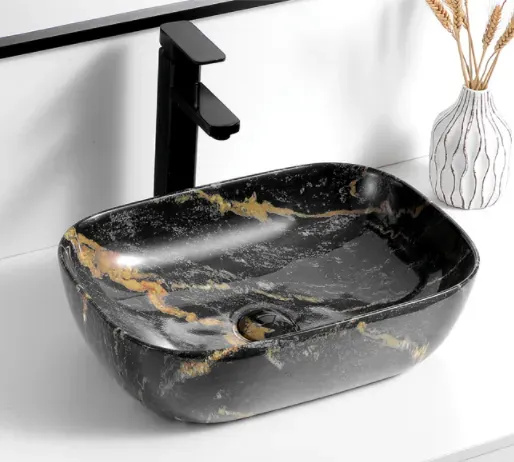
Contemporary waterfall sinks stand out due to several defining features that contribute to their popularity. From design elements to functionality, these sinks embody modern kitchen innovations.
Key features include:
-
Seamless Edge: The uninterrupted edge of a waterfall sink creates a striking visual effect that transforms the kitchen aesthetic.
-
Multi-functional Use: Many designs include features like integrated draining boards or food prep areas, enhancing kitchen efficiency.
-
Variety of Finishes: Available in a range of materials and finishes, waterfall sinks can be tailored to fit any kitchen style or owner preference.
These features not only elevate the sink’s design but also enhance its overall functionality.
Which Materials and Finishes Are Best for Waterfall Sinks in Australia?
Choosing the right materials and finishes for waterfall sinks is crucial for achieving a balance of aesthetics, functionality, and durability. Several popular materials have emerged as favourites among Australian homeowners.
Common materials include:
-
Granite: Known for its durability and natural beauty, granite is a popular choice that offers a luxurious appearance.
-
Quartz: Engineered quartz surfaces are less porous than natural stone, making them easier to maintain while providing various colour options.
-
Stainless Steel: This material is favoured for its modern look and resilience, perfect for busy kitchens needing easy maintenance.
Selecting the appropriate material is vital for leveraging the benefits that waterfall sinks offer, ensuring lasting satisfaction.
What Are the Benefits of Granite, Quartz, and Stone Waterfall Sinks?
Granite, quartz, and stone are not just visually appealing options; each material brings distinct advantages to waterfall sinks that enhance their appeal to homeowners.
The benefits include:
-
Durability: All three materials are known for their sturdiness, making them suitable for daily kitchen use without significant wear.
-
Aesthetic Appeal: These materials provide a high-end look and feel, elevating the overall kitchen design.
-
Low Maintenance Needs: Particularly with quartz and certain treated stones, maintaining a clean surface is uncomplicated, requiring minimal effort.
The choice of material directly impacts the sink’s performance and longevity, making it an important aspect of kitchen design.
How Do Material Choices Affect Durability and Aesthetics?
The durability and aesthetic qualities of waterfall sinks are significantly shaped by material choices. The right material not only ensures long-lasting use but also enhances kitchen beauty.
For example:
-
Granite provides natural beauty and resilience but may require sealing to maintain its finish.
-
Quartz offers superior durability and does not need sealing, making it an attractive choice for low-maintenance kitchens.
-
Stone adds character and uniqueness, yet its porous nature may demand more upkeep.
Understanding how these materials impact both durability and aesthetic appeal can guide homeowners toward making informed selections for their kitchen designs.
How Are Waterfall Kitchen Sinks Installed in Australian Homes?
The installation of waterfall kitchen sinks in Australian homes requires consideration of several important aspects that ensure effective use. Proper installation techniques can significantly influence both the sink's performance and the kitchen's overall design.
Critical installation considerations include:
-
Undermount vs Top-mount Installations: Choosing between these methods affects overall aesthetics and installation complexity.
-
Material Compatibility: Ensuring that the faucet and sink materials are compatible is pivotal for durability and functionality.
-
Plumbing Adjustments: Existing plumbing may need to be modified to accommodate the installation of waterfall sinks efficiently.
Proper attention to these aspects can lead to a successful installation that enhances kitchen performance.
What Are the Essential Installation Techniques for Integrated Waterfall Sinks?
The installation techniques for integrated waterfall sinks are essential for ensuring they function effectively and maintain their aesthetic appeal. Homeowners and contractors should be aware of various techniques necessary for successful setup.
Key installation techniques include:
-
Preparation Steps: Ensure the countertop is prepped properly to accommodate the sink’s unique design, allowing for a seamless look.
-
Sealing Methods: Use appropriate sealing techniques to prevent moisture infiltration, particularly around joints and seams.
-
Fitting Adjustments: Careful measurements are required to ensure a perfect fit, which maximises both function and style.
Adhering to these necessary techniques allows for a functional and beautiful kitchen setup.
Which Considerations Should Be Made for Kitchen Renovations with Waterfall Sinks?
When planning kitchen renovations that incorporate waterfall sinks, several practical considerations must be made to achieve an optimal result. Each aspect influences the final outcome, ensuring both beauty and functionality.
Considerations include:
-
Design Consistency: The overall design theme should be considered so that the waterfall sink complements existing elements harmoniously.
-
Material Selection: Choosing materials that suit the kitchen’s use, climate, and aesthetic goals is crucial for longevity.
-
Budgeting: Costs can vary based on materials and installation complexity, so adequate budgeting is necessary to avoid unforeseen expenses.
Taking these aspects into consideration ensures that the renovation is thoughtfully planned and executed.
What Are the Benefits of Choosing Waterfall Sinks for Australian Kitchen Designs?
Waterfall sinks present a plethora of benefits tailored to enhancing Australian kitchen designs. Their unique attributes contribute to both functionality and styling, making them an exciting option for homeowners.
Key benefits include:
-
Aesthetic Versatility: Waterfall sinks adapt beautifully to various kitchen styles, appealing to a broad range of design preferences.
-
Functional Efficiency: The seamless design facilitates easy cleaning and better water management, enhancing overall kitchen use.
-
Eco-friendly Options: Many waterfall sinks are made from sustainable materials, aligning with current trends towards environmentally friendly home fixtures.
The advantages of waterfall sinks significantly impact the appeal and functionality of any kitchen, making them an ideal choice for modern renovations.
How Do Waterfall Sinks Enhance Space Efficiency and Kitchen Functionality?
The design of waterfall sinks significantly enhances both space efficiency and overall kitchen functionality. By embracing modern design principles, these sinks optimise the kitchen environment.
Key enhancements include:
-
Space Optimisation: The integrated design frees up countertop space by minimising disruptions, allowing for a larger workspace.
-
Improved Navigation: The layout facilitates better movement and organisation within the kitchen, making culinary tasks seamless.
-
Multi-Functional Use: The added functionality of integrated features (like chopping boards) contributes to a more efficient cooking experience.
Waterfall sinks’ contribution to space efficiency marks them as a smart choice for homeowners looking to improve their kitchen designs.
Why Are Waterfall Sinks a Sustainable Choice in Modern Kitchen Renovations?
Sustainability has become a vital consideration for modern kitchen renovations, and waterfall sinks offer appealing eco-friendly benefits. Homeowners increasingly seek fixtures that reflect their commitment to environmentally responsible living.
The sustainability aspects include:
-
Use of Sustainable Materials: Many waterfall sinks are produced from sustainable or recycled materials that reduce environmental impact.
-
Reduced Cleaning Chemicals: The easy-to-clean design requires fewer harsh cleaning products, promoting a healthier home environment.
-
Conservation of Resources: Their design often includes features that enhance water efficiency, contributing to lower consumption.
Incorporating waterfall sinks into kitchen renovations not only enhances aesthetics but also aligns with sustainable building practices.
How Do Waterfall Sinks Compare to Other Popular Kitchen Sink Styles?
When evaluating sink options, it is important to understand how waterfall sinks compare to other popular designs in terms of functionality and aesthetics. This comparison provides insights into why they may be the preferred choice for many homeowners.
Comparative insights reveal:
-
Functionality Differences: While traditional sinks can be functional, waterfall sinks offer enhanced usability through their integrated design and efficient water management.
-
Aesthetic Variations: Waterfall sinks often provide a more modern and elegant look compared to conventional designs, appealing to contemporary tastes.
-
Maintenance Needs: The design of waterfall sinks typically reduces maintenance requirements compared to intricate traditional sink styles.
These comparisons highlight the advantages of waterfall sinks, making them a compelling choice in kitchen design.
What Advantages Do Integrated Waterfall Sinks Offer Over Traditional Sink Types?
Integrated waterfall sinks present unique advantages over traditional sink types, making them an appealing option for homeowners exploring kitchen renovations. Understanding these benefits can aid in making an informed choice.
Advantages include:
-
Seamless Appearance: Integrated waterfall sinks deliver an uninterrupted visual that enhances the kitchen's overall design.
-
Enhanced Durability: Many contemporary integrated designs utilize robust materials that withstand daily wear and tear.
-
Simplified Cleaning: The smooth surface allows for easier cleaning compared to traditional sinks with multiple seams and corners.
These benefits position integrated waterfall sinks as an attractive alternative to traditional options.
Which Sink Styles Are Trending in Australia Besides Waterfall Designs?
While waterfall sinks enjoy significant popularity, several other sink styles are trending in Australia, offering unique benefits and aesthetics to homeowners. Exploring these options expands the available choices for kitchen designs.
Trending sink styles include:
-
Farmhouse Sinks: Known for their deep basins and rustic appearance, they add charm and practicality to traditional kitchens.
-
Undermount Sinks: These provide a sleek look by eliminating the rim, making for easy cleaning and a modern feel.
-
Double-Basin Sinks: Offer versatility in multitasking during meal preparation, allowing for more efficient washing and rinsing.
These diverse styles cater to a variety of design preferences, providing homeowners with ample choices for their kitchens.
How Can Homeowners Style Their Kitchens with Waterfall Sinks?
Homeowners looking to incorporate waterfall sinks into their kitchens can achieve remarkable results by considering various styling tips. These recommendations help maximise the visual appeal and functionality of this sink type.
Effective styling strategies include:
-
Pairing with Complementary Materials: Consider matching countertops and cabinetry to create a cohesive look throughout the kitchen.
-
Utilizing Accent Colours: Select fixtures and decor elements that accentuate the waterfall sink's features for a dynamic contrast.
-
Incorporating Natural Elements: Use wood, plants, or stone features to enhance the organic appeal of the waterfall sink.
These styling approaches ensure that waterfall sinks not only serve a functional purpose but also become centerpieces of the kitchen design.
What Are Popular Kitchen Design Ideas Featuring Waterfall Sinks in Australia?
Exploring popular kitchen design ideas that feature waterfall sinks reveals innovative ways to enhance this focal point. These designs inspire homeowners to consider the unique advantages of waterfall sinks.
Some notable design ideas include:
-
Industrial Chic Designs: Using metal finishes along with concrete or wood accents provides a contemporary edge to the overall kitchen appearance.
-
Minimalist Aesthetics: Focus on clean lines and neutral colours underscores the elegance of the waterfall sink, drawing attention to its unique design.
-
Sustainable Themes: Incorporating eco-friendly materials alongside a waterfall sink reflects a design that embraces both beauty and environmental responsibility.
These ideas drive home the versatility of waterfall sinks, demonstrating their adaptability across various design themes.
How to Pair Waterfall Sinks with Countertops and Fixtures for a Cohesive Look?
Achieving a cohesive look in a kitchen using waterfall sinks involves thoughtful pairing with countertops and fixtures. Each combination influences the overall style and functionality of the space.
Key pairing strategies include:
-
Material Matching: Choose countertops in materials that resonate with the sink's finish, ensuring continuity throughout the kitchen.
-
Colour Coordination: Subtle colour schemes can enhance the waterfall sink’s beauty, integrating it seamlessly into the kitchen’s overall aesthetic.
-
Fixture Selection: Opt for faucets and accessories that complement the sink’s design, enhancing the elegance of the entire setup.
These pairing techniques ensure that the waterfall sink stands out while complementing the broader design of the kitchen.
Research further supports that specific design choices significantly impact resident satisfaction and functionality within kitchen spaces in Australia.
Kitchen Design Trends and Functionality in Australian Homes
ABSTRACT: Kitchen design is a critical, yet underexamined, factor in supporting residents’ wellbeing in increasingly densified city landscapes. This study explores how a group of private apartment dwellers in Melbourne (Australia) retrofitted their kitchens to support home food practices. A survey of residents (n= 62) and in-depth photo-elicited interviews (n= 20, including families with children) investigated lived experience within the constraints of current regulatory frameworks. Residents described strong preferences for home cooking shaped by health, cultural tradition, economic considerations, enjoyment and social connection. These motivations drove staged and cost-sensitive retrofits. Thematic findings identify four core dimensions: a) resident preferences and compromises; b) decision-making and timing; c) enhanced functionality and safety through improved storage, work surfaces, lighting, ventilation and layout; and d) the transformation of kitchens into socially and aesthetically engagi
Kitchen retrofits to support food practices and wellbeing, FJ Andrews, 2026
Furthermore, the aesthetic appeal of modern kitchens, particularly in Australian homes, often emphasises sleek, concealed designs to maintain an enduring style.
Australian Interior Design: Kitchens as Enduring Style
ABSTRACT: Within the glossy publications of Australian interior design and architectural discourse, the house, the desirable one-off residence ostensibly committed to ‘enduring style’ predominates. Invariably these photographic essays include the kitchen, where ‘smooth fronted, deep cupboards sequentially conceal everything from the stereo system to the espresso machine and toaster.’1 The sexual science of the Kitchen: representations of Australian domesticity, 2002