


Waterfall Sinks Australia: 2026 Care, Cleaning and Long-Term Ownership Guide
Waterfall Sinks Australia: 2026 Care, Cleaning and Long-Term Ownership Guide
By Hayden Hus, Sydney Homewares
Waterfall sinks, known for their elegance and functionality, have become a popular choice in Australian homes. This comprehensive guide explores essential care, cleaning, and long-term maintenance practices needed to keep your waterfall sink in optimal condition. With unique materials and designs, waterfall sinks require specialised attention to maintain their beauty and functionality. Understanding how various factors—like local water quality and the materials used—affect care can empower homeowners to make informed decisions about maintenance. This article will delve into the key materials for waterfall sinks, recommended cleaning practices, the benefits of eco-friendly solutions, preventative maintenance tips, and essential post-installation care to promote longevity and efficiency in your sink.
What Are the Key Materials Used in Australian Waterfall Sinks?
Waterfall sinks in Australia are primarily constructed from three materials: stainless steel, stone, and composite materials. Each of these materials offers unique properties that influence their maintenance needs. Stainless steel is highly durable and resistant to stains but can show water spots if not cleaned regularly. Stone sinks, such as granite or marble, provide a luxurious appearance but may require sealing to prevent staining. Composite materials, which combine resin with stone particles, offer versatility in design and excellent durability, but they too have specific cleaning needs.
How Do Stainless Steel, Stone, and Composite Materials Affect Sink Care?
The care requirements for waterfall sinks vary significantly depending on the material used. Stainless steel sinks require routine cleaning with mild detergents to avoid scratches and maintain shine. In contrast, stone sinks necessitate gentle cleaning agents and regular sealing to protect against stains and permeation. Composite sinks are relatively low-maintenance; however, they benefit from cleaning products that do not contain abrasive particles to preserve their finish. Understanding these differences is crucial for effective sink maintenance and longevity.
What Impact Does Australian Water Quality Have on Different Sink Materials?
Australia's diverse water quality can have substantial effects on the maintenance and durability of waterfall sinks. Hard water, prevalent in many regions, can lead to mineral buildup on surfaces, making regular cleaning essential. In regions with soft water, mineral deposits are less of an issue, but homeowners should still be attentive to other types of staining related to organic debris. Tailoring maintenance procedures according to local water conditions can enhance the lifespan of the sink and maintain its aesthetic appeal.
What Are the Best Daily and Deep Cleaning Methods for Waterfall Sinks?
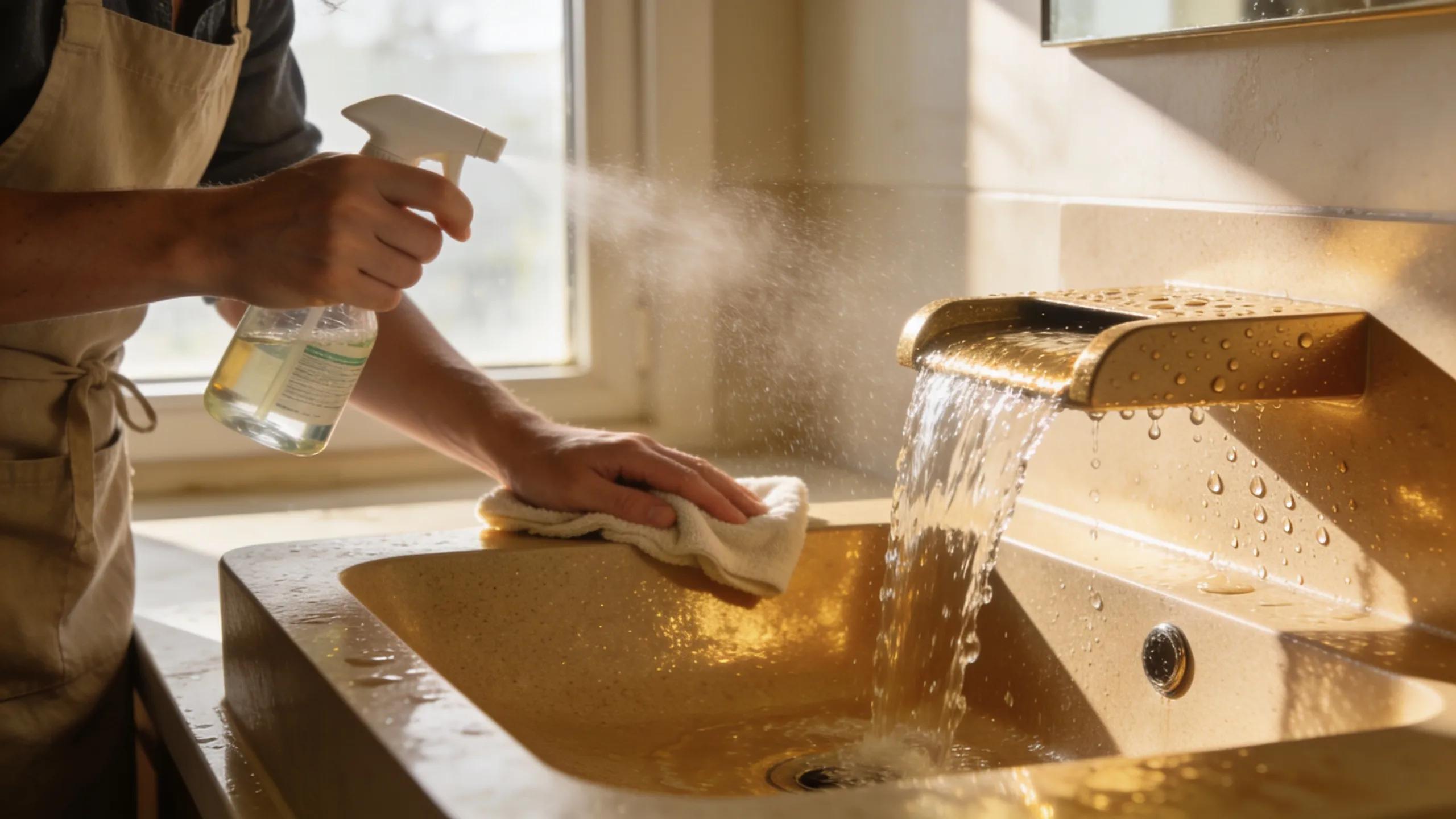
Effective cleaning methods for waterfall sinks are essential for preserving their appearance and functionality. Daily cleaning should involve rinsing the sink with warm water and using soft cloths to wipe down surfaces to prevent water stains. Deep cleaning, done weekly or fortnightly, can include using specialised cleaning products designed for the material of the sink.
Which Cleaning Products Are Safe and Effective for Each Sink Material?
For stainless steel sinks, gentle dish soap is suitable alongside stainless steel cleaners that prevent streaking. Stone sinks benefit from pH-neutral cleaners specifically formulated for natural stones, while composite materials can often be cleaned with a solution of vinegar and water for regular maintenance. Using the right products for the job is crucial for maintaining the integrity of the sink material.
How to Remove Water Stains and Mineral Buildup on Waterfall Sinks?
Removing water stains and mineral buildup requires specific techniques to avoid damaging the sink's surface. For stainless steel sinks, a paste of baking soda and water applied with a soft cloth can lift stains effectively. Stone sinks may require a mix of baking soda and mild dish soap for a gentle scrub, while composite sinks can often be cleared of buildup with vinegar or commercial cleaners according to manufacturer instructions. Regular cleaning can significantly reduce the occurrence of such issues.
How Can Eco-Friendly Cleaning Solutions Benefit Waterfall Sink Maintenance in Australia?
Using eco-friendly cleaning solutions not only contributes to a healthier environment but can also enhance the longevity and effectiveness of waterfall sink maintenance. These products, which are non-toxic and biodegradable, minimise the harmful chemical impact on household plumbing and the wider ecosystem. Furthermore, many eco-friendly cleaning agents are formulated to tackle tough stains while being gentle on surfaces.
What Natural or Eco-Friendly Products Work Best for Waterfall Sink Cleaning?
Natural cleaning products such as vinegar, baking soda, and lemon juice serve as effective alternatives to commercial cleaners. These ingredients can cut through grime without harsh chemicals. Additionally, there are numerous brands specialising in natural cleaning agents tailored to various sink materials, providing safe and effective options for everyday maintenance.
How Do Eco-Friendly Practices Extend Sink Longevity and Minimise Environmental Impact?
Eco-friendly practices extend the lifespan of waterfall sinks by ensuring that harmful substances do not degrade the sink material over time. Sustainable cleaning methods help maintain the integrity and finish of the sink, while reducing the overall environmental pollution caused by harsh chemicals. Adopting these practices not only secures the health of your sink but also contributes positively towards environmental conservation.
What Preventative Maintenance Tips Support Long-Term Ownership of Waterfall Sinks?
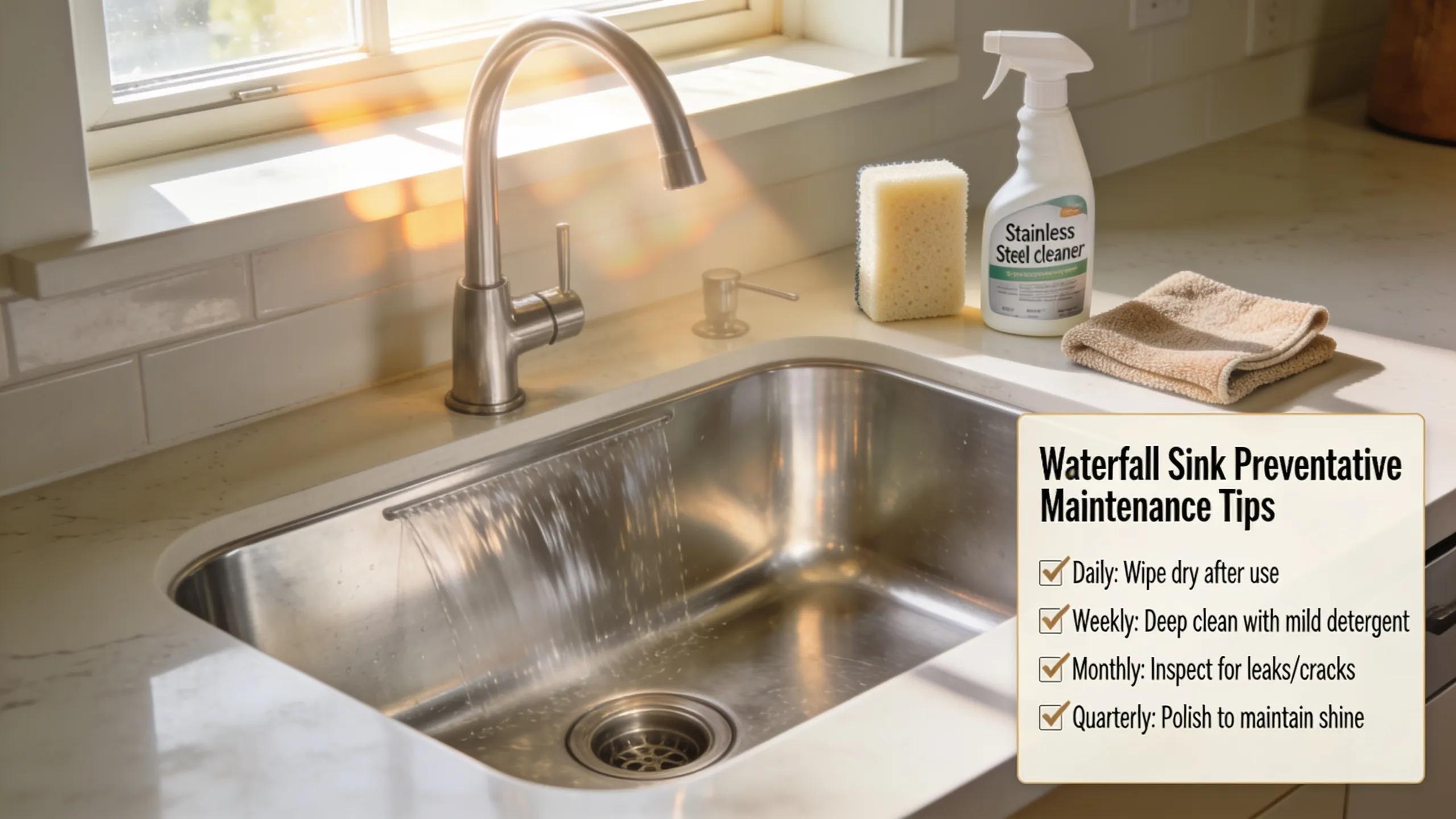
Preventative maintenance plays a crucial role in the longevity of waterfall sinks. Regular inspections and routine maintenance can help identify potential issues before they escalate. Homeowners should have a systematic approach to caring for their sinks, taking into account the specific needs dictated by the material and the environmental conditions.
How Often Should Waterfall Sinks Be Maintained to Prevent Damage?
Waterfall sinks should ideally be wiped down daily to prevent buildup and maintain their shine. A weekly deep clean is recommended, while more extensive maintenance, such as resealing stone sinks, should occur every 6-12 months depending on usage and exposure to water. Establishing a routine maintenance schedule can greatly reduce the risk of damage.
What Are Common Issues Faced and How to Troubleshoot Waterfall Sink Problems?
Common issues faced by waterfall sinks include scratches, stains, and mineral buildup. For scratches, using a polishing compound specifically designed for the sink's material can provide restoration. Stains from hard water can often be treated with vinegar solutions or dedicated cleaning products, while regular inspections can help detect issues early. If problems persist, consulting a professional may be necessary to avoid further damage.
How Should You Care for Waterfall Sinks After Installation?
Post-installation care is vital for ensuring waterfall sinks retain their beauty and function. Proper cleaning and sealing procedures should be established immediately to protect the sink from environmental factors.
What Initial Cleaning and Sealing Are Recommended for New Waterfall Sinks?
Upon installation, new waterfall sinks should be carefully cleaned with the recommended products specific to their materials. Subsequently, applying a sealant for stone sinks can protect against stains and damage from moisture. Following manufacturer guidelines will improve the overall durability of the installation, ensuring long-lasting performance.
How to Protect Waterfall Sinks from Australian Environmental Conditions?
Australian conditions can be tough on waterfall sinks, with factors such as humidity and mineral-rich water contributing to potential deterioration. Homeowners can protect their sinks by ensuring proper ventilation in kitchens or bathrooms and using dehumidifiers where necessary. Additionally, choosing appropriate cleaners and establishing regular care routines will go a long way in safeguarding these beautiful features from environmental wear and tear.