


Waterfall Sink vs Standard Kitchen Sink: Key Differences and Benefits Explained
By Hayden Hus, Sydney Homewares
In the world of kitchen design, choosing the right sink can significantly impact both aesthetics and functionality. Understanding the key differences between a waterfall sink and a standard kitchen sink can help homeowners make informed decisions tailored to their style and needs. A waterfall sink, known for its seamless design and dramatic water flow, contrasts sharply with traditional kitchen sinks, which are generally more functional yet varied in installation options. This article will delve into design features, materials, benefits, maintenance aspects, and considerations to help you better navigate your options. By the end, you’ll have a clearer understanding of which type of sink might be the perfect fit for your kitchen remodeling project.
Design Features
Waterfall sinks are characterized by their sleek, minimalist designs that often create a visually stunning focal point in modern kitchens. These sinks typically feature a continuous flow of water from a high back in a single plane, enhancing the aesthetics by creating a cascading effect. In contrast, standard kitchen sinks vary widely in design, ranging from traditional deep basins to contemporary shallow options, often emphasising utility over visual appeal.
Unique Design Features of Waterfall Sinks
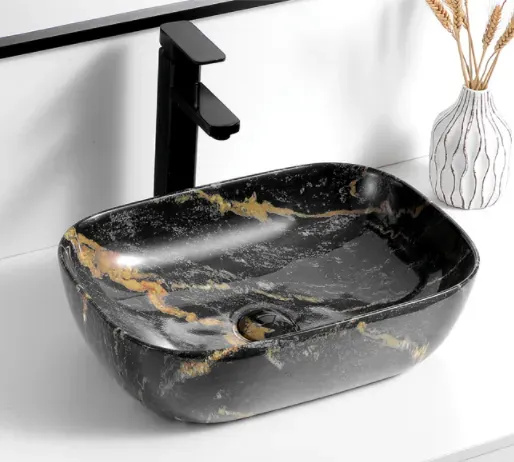
Waterfall sinks offer unique characteristics primarily focused on modern aesthetics. With their smooth edges and creative installation options, they can be mounted in a way that makes water appear to flow over the edges. This style is not only visually appealing but also easy to clean due to the lack of seams and crevices, promoting better hygiene. The modern aesthetic of waterfall sinks pairs exceptionally well with contemporary kitchen designs, emphasising clean lines and uncluttered spaces.
How Do Standard Kitchen Sinks Differ in Style and Function?
Standard kitchen sinks, on the other hand, provide functional variety catering to individual needs. From farmhouse sinks with a deep basin to undermount models that offer a seamless look with countertops, these sinks adapt to various aesthetic preferences. While they may not provide the same dramatic visual effects as waterfall sinks, standard sinks excel in versatility, allowing homeowners to select based on size, depth, and installation method.
Materials
The materials used in constructing both waterfall and standard kitchen sinks significantly influence their durability and maintenance requirements. Waterfall sinks typically utilize high-quality materials like granite composite and stainless steel, known for their strength and aesthetic appeal. These materials not only enhance the visual appeal but also ensure durability against daily wear and tear.
Which Materials Are Best for Waterfall and Standard Kitchen Sinks?
When selecting materials, granite composite stands out for waterfall sinks due to its beauty and resilience. Stainless steel is also a popular choice, especially in industrial-style kitchens, owing to its durability and modern look. In contrast, standard kitchen sinks also employ similar materials but may offer additional options, such as porcelain or cast iron, which cater to traditional kitchen aesthetics.
What Are the Advantages of Granite Composite and Stainless Steel Materials?
Both granite composite and stainless steel provide distinct advantages. Granite composite is highly resistant to scratching and chipping, offering longevity, while stainless steel is non-porous and easy to clean. Homeowners must weigh these characteristics against their needs, as material choice can affect not just maintenance but also long-term satisfaction with the sink.
Benefits
Choosing between waterfall and standard sinks can come down to personal preferences, particularly regarding the benefits each style provides. Waterfall sinks stand out for their aesthetic enhancements, creating a luxurious feel that can elevate the overall look of a kitchen. Their unique design ensures less mess during food preparation, as water flows neatly without splashing, making cleanup easier.
Advantages of Waterfall Sinks
-
Aesthetic Appeal: Waterfall sinks add a touch of luxury and modernity to any kitchen space.
-
Ease of Cleaning: The seamless design minimises hidden areas for dirt and grime, simplifying maintenance.
-
Contemporary Functionality: The design allows efficient drainage and minimises splashes during dish cleaning.
Advantages of Standard Sinks
-
Versatile Design Options: Standard sinks come in a variety of sizes and styles, accommodating a range of kitchen designs and functionality.
-
Easier Installation: Many standard sinks can be installed with relative ease, adapting to existing kitchens without extensive remodels.
-
Functional Variety: The capability to have deep basins or additional features like double sinks offers more versatility for home cooks.
Maintenance Aspects
Regular maintenance is essential for both waterfall and standard kitchen sinks, though requirements can differ based on materials used. Waterfall sinks often have fewer seams, which can mean less dirt buildup in harder-to-reach areas, while standard kitchen sinks may require more routine upkeep depending on the chosen materials.
Maintenance Tips for Waterfall and Standard Sinks
-
Regular Cleaning: Both sink types benefit from a routine cleaning schedule with non-abrasive cleaners.
-
Inspect for Damage: Periodically check for scratches or damage to seals, particularly in areas around the faucet.
-
Material-Specific Care: Follow care instructions specific to the sink material—granite composite might need sealing, while stainless steel requires different cleaning agents for optimal shine.
Cleaning and Care for Different Sink Materials
Utilizing appropriate cleaning methods for various materials enhances the longevity of both waterfall and standard sinks. For instance, using soft cloths on stainless steel prevents scratching, while avoiding harsh chemicals on granite composite ensures the integrity of the surface.
Considerations
When deciding between a waterfall and standard kitchen sink, several factors come into play. Installation methods, desired aesthetics, and individual functionality requirements must be assessed to determine the best fit for each kitchen layout.
Key Considerations in Choosing a Sink Type
-
Installation Method: Consider whether a top-mount or undermount sink is preferred, as this affects the overall design and usability of the countertop space.
-
Desired Aesthetic: Reflect on whether a modern, seamless look or a more traditional style aligns with your kitchen's design.
-
Material Durability: Determine which materials best suit your lifestyle, especially in terms of care and longevity.
How Installation Affects Kitchen Design and Sink Functionality
The choice between undermount and top-mount installation impacts not only the functionality of the sink but also the overall kitchen design. Undermount sinks provide a polished look, making countertop cleaning easier, while top-mount sinks can offer simpler installation and replacement options during renovations.
What Are the Pros and Cons of Waterfall Sinks Compared to Standard Kitchen Sinks?
When evaluating the two, it becomes crucial to weigh the pros and cons associated with each type, helping homeowners make informed decisions based on their kitchen needs and lifestyle.
Pros and Cons of Waterfall vs Standard Sinks
Waterfall Sink Pros:
-
Enhanced visual appeal adds luxury.
-
Unique drainage design minimises splashes.
Waterfall Sink Cons:
-
Typically higher cost.
-
Installation may require professional assistance.
Standard Sink Pros:
-
Cost-effective and versatile design options.
-
Easier installations.
Standard Sink Cons:
-
May lack the aesthetic impact of waterfall designs.
-
Varying cleaning requirements based on material.
What Are the Aesthetic and Practical Advantages of Waterfall Sinks?
Waterfall sinks not only serve functional purposes but also significantly enhance kitchen aesthetics. The unique design allows for impressive visual dynamics that can define a kitchen's style direction. With the added benefit of ease of cleaning, these sinks quickly become practical choices as well.
What Limitations Should Buyers Consider in Both Sink Types?
While both sink types have their respective features, potential limitations must be acknowledged. For example, waterfall sinks may not suit all kitchen styles, particularly more traditional designs, whereas standard sinks might not provide the same visual impact.
How Do Modern Kitchen Sink Styles Influence the Choice Between Waterfall and Standard Sinks?
Modern kitchen styles heavily influence sink choices, with minimalist and contemporary designs favouring waterfall sinks' sleek look. However, various standard options still play well in diverse settings, particularly in homes that embody traditional aesthetics.
Kitchen Design Styles That Pair Best with Waterfall Sinks
-
Modern/Minimalist: Clean lines and understated elegance amplify the waterfall design.
-
Contemporary: Pair with bold colours and materials for striking contrasts.
-
Industrial: Use raw materials in combination with waterfall sinks for a chic statement.
How Do Standard Sinks Fit Traditional and Contemporary Kitchen Designs?
Standard sinks offer the flexibility needed to suit both traditional and contemporary kitchen designs—integrating seamlessly into various decor choices. Whether pairing with classic cabinetry or sleek modern finishes, these sinks adapt poignantly to their surroundings.
What Maintenance Tips Improve Longevity for Waterfall and Standard Kitchen Sinks?
To ensure both waterfall and standard sinks retain their appearance and functionality, proper maintenance is key.
Practical Tips to Preserve Sink Appearance and Function
-
Use Soft Cloths: Always clean with a soft cloth to avoid scratches.
-
Avoid Harsh Chemicals: Use gentle cleaners to prevent damaging the surface layer.
-
Regular Inspections: Check for any wear or damage, addressing issues early.
How Should You Clean and Care for Different Sink Materials?
Tailoring your cleaning products and methods to your sink's specific materials can help maintain its appearance. For instance, stainless steel sinks require polishes that can enhance their natural shine, while composite sinks benefit from warm water and mild soap.