


Waterfall Sink Design: Modern Kitchen Sink Trends and Installation for Australian Homes
Waterfall Sink Design: Modern Kitchen Sink Trends and Installation for Australian Homes
By Hayden Hus, Sydney Homewares
Waterfall sinks have become a standout feature in contemporary kitchen design, captivating homeowners with their unique elegance and functionality. These sinks offer a luxurious visual effect as water cascades over the rim, mimicking natural waterfalls and adding a touch of tranquility to the kitchen space. In this article, we will delve into the essence of waterfall sinks, their materials, moderns, installation practices, and current trends within Australian homes. Understanding these aspects is crucial for anyone looking to integrate this innovative design into their kitchen. We will also explore the maintenance requirements that ensure the longevity of these stunning fixtures while addressing common inquiries about their functionality and appeal.
What Are Waterfall Sinks? Understanding Modern Kitchen Sinks
Waterfall sinks represent a modern twist on traditional kitchen basin designs. Unlike conventional sinks, waterfall sinks showcase a unique overflow feature that allows water to flow over the edges, creating a visually stunning effect. This design not only enhances the aesthetic appeal of the kitchen but also integrates seamlessly with contemporary interiors. Their popularity among homeowners is primarily due to their chic appearance and innovative functionality, making them a sought-after addition in modern kitchen renovations.
What Defines a Waterfall Sink Compared to Other Kitchen Sinks?
Waterfall sinks are distinguished by their distinctive edge design that facilitates a continuous flow of water, contrasting sharply with standard sinks that tend to retain water within the basin. This feature not only enhances the visual aesthetics of a kitchen but also provides practical benefits, such as easier rinsing of dishes without the need for a faucet. Moreover, the unique shapes and materials of waterfall sinks can complement various kitchen motifs, thereby catering to diverse design preferences.
Which Modern Kitchen Sinks Complement Australian Home Designs?
Many Australian homes are known for their open-plan designs, and waterfall sinks fit beautifully within this context.s like undermount and integrated waterfall sinks work particularly well with natural materials such as timber and stone, which are often featured in contemporary Australian architecture. Additionally, the minimalist approach prevalent in modern Australian kitchen designs makes waterfall sinks a favoured choice, as they simplify the overall look while providing functional elegance.
Which Materials Are Best for Waterfall Sinks? Pros and Cons Explained
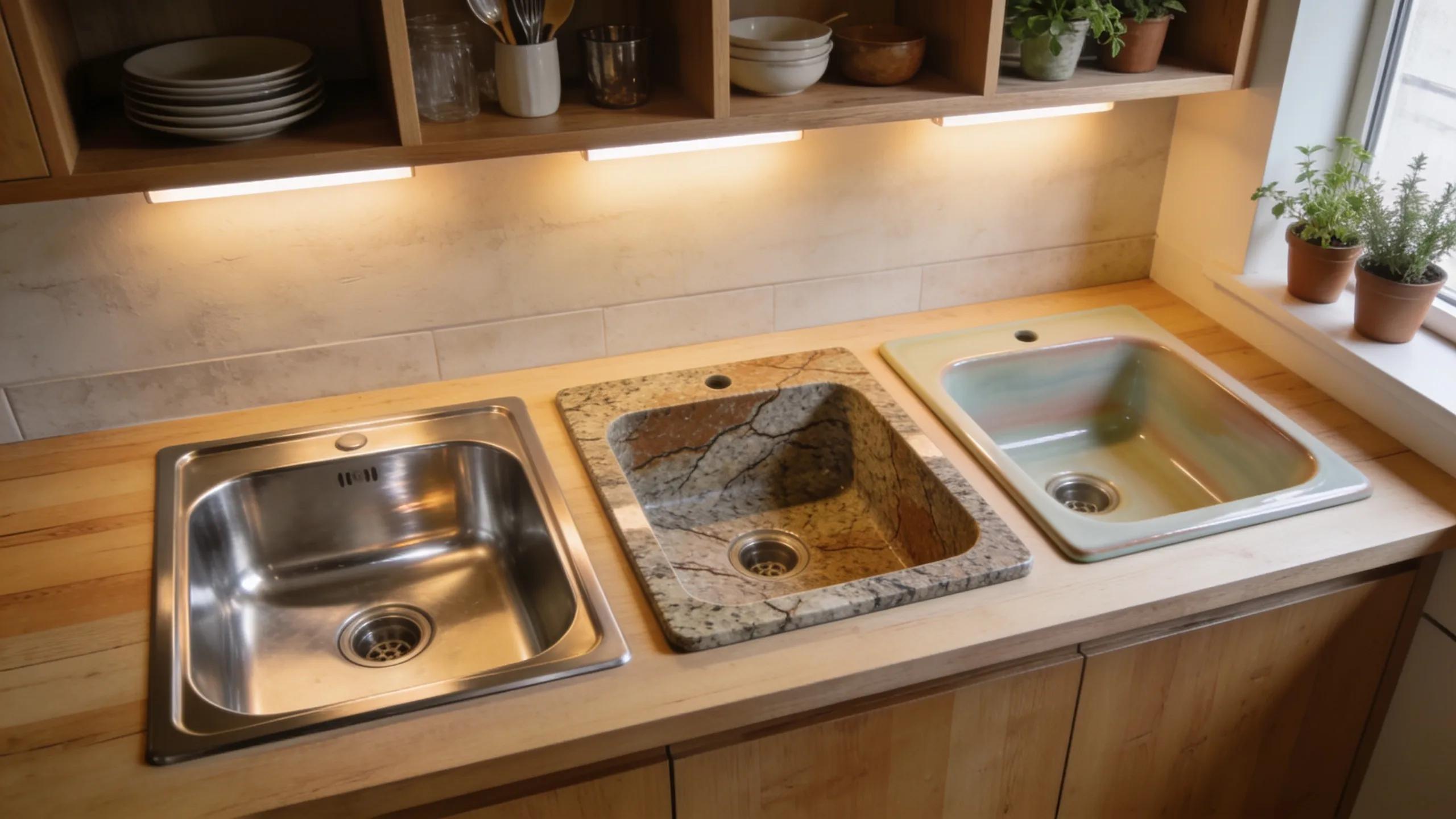
Choosing the right material for waterfall sinks is essential, as it affects both aesthetics and functionality. Popular materials include stainless steel, composite stone, granite, and ceramic, each offering unique benefits and potential drawbacks.
Material |
Pros |
Cons |
|---|---|---|
Stainless Steel |
Durable, easy to clean, resistant to rust |
Can scratch; might dent with heavy impact |
Composite Stone |
Visually appealing, non-porous, customisable |
May require more maintenance than metal |
Granite |
Extremely durable, unique patterns |
Heavy; requires professional installation |
Ceramic |
Easy to clean, looksic |
Can chip or crack if heavy objects are dropped |
This comparison highlights the variety of options available for waterfall sinks, allowing homeowners to make informed choices based on durability, aesthetics, and maintenance.
How Do Stainless Steel and Composite Stone Compare for Waterfall Sinks?
When comparing stainless steel and composite stone for waterfall sinks, both materials provide robust options with distinct characteristics. Stainless steel is widely used due to its robust nature and sleek appearance; it is easy to clean and resists rust, making it suitable for high-use kitchens. Conversely, composite stone offers greater visual diversity and customisation options with a non-porous surface, although it may need more careful handling to avoid scratches and stains. Each material serves specific design preferences and kitchen usages, helping owners choose the best fit for their space.
What Are the Durability and Aesthetic Benefits of Granite and Ceramic Waterfall Sinks?
Granite sinks lauded for their unparalleled durability and aesthetic charm, often become focal points in kitchen spaces. Resistant to heat and scratches, granite is perfect for busy kitchens where a long-lasting appearance is critical. On the other hand, ceramic sinks provide a timeless andic look. While they are easy to clean, they can be more prone to chipping and cracking from heavy impacts. Ultimately, both granite and ceramic offer unique aesthetic benefits while ensuring their practical functionality remains intact within modern kitchen settings.
How to Install and Maintain Waterfall Sinks in Australian Kitchens
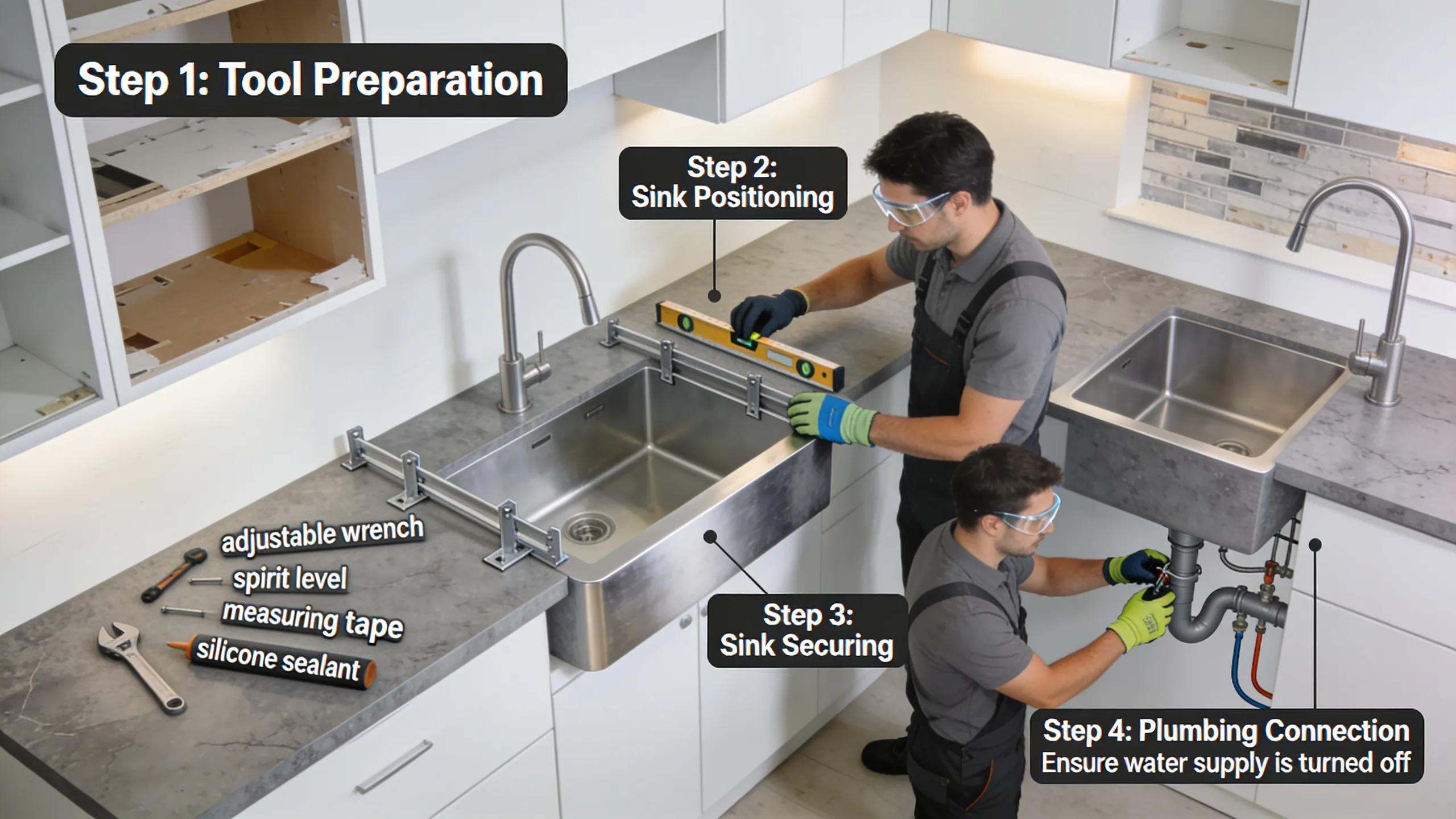
Installing a waterfall sink involves careful planning and consideration of plumbing requirements to ensure optimal function and aesthetics. Many homeowners appreciate the opportunity for a DIY installation if they wield basic plumbing and construction skills, but professional installation guarantees adherence to building codes and optimal performance.
What Installation Types Are Available for Waterfall Sinks?
Waterfall sinks can be installed in several ways, principally as undermount or drop-in designs. Undermount sinks provide a seamless look and allow easy cleaning of countertop surfaces, as they sit beneath the counter. Drop-in sinks, conversely, rest on the counter surface, offering a simpler installation process but presenting a more traditional look. Ideal installation choices depend on the specific design of the kitchen and the functional preferences of the homeowner.
Which Maintenance Practices Ensure Long-lasting Waterfall Sink Performance?
To maintain a waterfall sink's luster and functionality, consistent cleaning is essential. Homeowners should use non-abrasive cleaners to avoid scratching the surface, alongside regular checks to ensure proper seating and alignment of the sink in its mount. It's advisable to avoid harsh chemicals and abrasive tools that can degrade the finish over time. Regular maintenance not only preserves the aesthetic allure of the sink but also ensures its long-lasting performance, enhancing overall kitchen utility.
What Are the Latest Australian Kitchen Sink Design Trends for 2023-2026?
In the realm of interior design, trends continuously evolve, with a marked shift towards minimalist and functional designs in kitchen spaces. Waterfall sinks have adapted to meet these new aesthetics, gaining favour in contemporary renovations across Australia.
How Are Minimalist and Contemporary Plumbing Fixtures Influencing Kitchen Renovations?
Minimalist design principles focus on decluttering spaces and promoting simplicity, which is reflected in the increasing popularity of clean, geometric shapes and integrated fixtures. Plumbing fixtures that embody minimalist aesthetics, including waterfall sinks, promote functionality while enhancing the spacious feel of modern kitchens. These sinks often showcase sleek lines and subtle functionality, aligning perfectly with the broader trend toward simplicity and elegance in contemporary home design.
Which Waterfall Sink Designs Are Preferred in Australian Home Renovations?
Home renovations in Australia are increasingly favourings that encapsulate nature and simplicity. Waterfall sinks in organic shapes, such as soft-edged rectangular designs, are becoming increasingly popular. Furthermore, finishes like matte or textured surfaces provide an earthy touch, moving away from overly bright or polished finishes and embracing a more subdued, natural aesthetic that resonates with the coastal Australian vibe.
Why Choose Stylish Kitchen Plumbing Fixtures Like Waterfall Sinks? Benefits for Modern Australian Kitchens
Opting for waterfall sinks offers numerous aesthetic and functional advantages for modern Australian kitchens. Their unique designs not only elevate visual interest but also enhance the overall kitchen experience for cooking and entertaining.
What Are the Functional and Aesthetic Benefits of Waterfall Sinks?
Waterfall sinks provide distinct functional benefits, such as improved drainage and easy cleaning, due to their rimless design that encourages water to flow over the edges. Aesthetically, they create a focal point in the kitchen, attracting attention while complementing décor choices. The cascading effect of running water becomes a natural design element, enhancing the ambiance of any kitchen setting. This fusion of function and is a major reason for their increasing demand.
How Do Waterfall Sinks Support Sustainable and Modern Kitchen Renovations?
Beyond their visual appeal, waterfall sinks can represent a step towards sustainability in kitchen design. Many modern sink options are crafted from eco-friendly materials and promote water-conserving designs, allowing homeowners to make responsible choices without compromising. Additionally, these innovative designs can enhance kitchen functionality, ensuring that the spaces we create are not only beautiful but also practical and environmentally conscious in their operation.
What Are Common Questions About Waterfall Sink Design and Installation?
Homeowners often have questions about the practical aspects of waterfall sinks regarding usage, installation, and cost. Understanding these key areas helps in making informed decisions when integrating such sinks into personal kitchen designs.
How Durable Are Waterfall Sinks for Everyday Kitchen Use?
Durability is crucial for any kitchen fixture, and most waterfall sinks are designed to withstand daily wear and tear effectively. Materials such as stainless steel or granite excel in durability, resisting scratches, dents, and stains when properly maintained. However, the durability may vary depending on the material chosen and how well it is cared for over time, emphasising the importance of appropriate installation and regular maintenance routines.
What Is the Typical Price Range for Waterfall Sinks in Australia?
The price of waterfall sinks in Australia can vary significantly, with quality materials influencing overall cost. Generally, homeowners can expect to pay between AUD 400 to AUD 1,500 for a waterfall sink, depending on size, material, and design intricacies. Investing in a high-quality sink can yield both aesthetic pleasure and long-term functionality, ensuring that the kitchen remains a stylish and practical space for years to come.