


How to Choose a Waterfall Sink for Your Australian Kitchen: Styles, Materials, and Installation Tips

By Hayden Hus, Sydney Homewares
Selecting the right waterfall sink for your kitchen can transform your culinary space into a stylish and functional area. A waterfall sink, characterized by its unique water flow design that cascades over the edges, not only offers aesthetic appeal but also optimises space efficiency. In this article, you will learn how to choose the perfect waterfall sink for your Australian kitchen by exploring different styles, materials, and installation tips that cater to various needs and preferences. Many homeowners grapple with reconciling functionality with aesthetic appeal in their kitchens, but understanding the options available can provide a comprehensive solution. We will guide you through the various styles of waterfall sinks and discuss ideal materials, effective installation practices, and maintenance strategies.
Styles
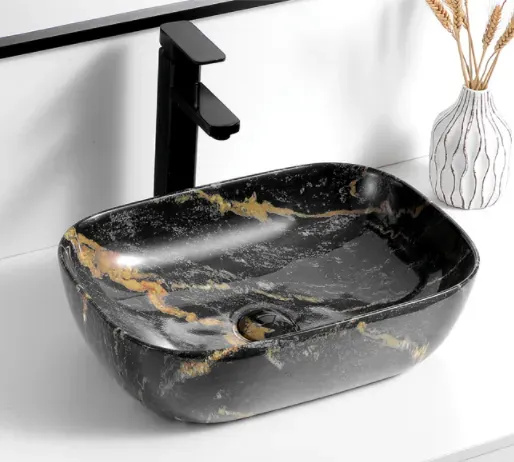
Waterfall sinks come in various styles, each offering unique aesthetics and functionality to enhance your kitchen's design. Choosing the right style can elevate the overall look of your kitchen while catering to your specific needs. Here, we will delve into three popular sink styles: undermount, top-mount, and farmhouse sinks.
Undermount Sinks
Undermount sinks are installed below the countertop, creating a seamless look that enhances modern kitchen aesthetics. This style makes cleaning your countertops easier, as crumbs and spills can be swept directly into the sink without obstructions. Furthermore, undermount sinks can help maximise kitchen space, providing a sleek and elegant appearance.
Top-Mount Sinks
Top-mount sinks, also known as drop-in sinks, are easier to install and feature a visible rim that sits on the countertop. This style appeals to homeowners seeking a classic design and straightforward installation process. The edge of the sink is visible, which can complement traditional kitchen designs while providing durability and ease of maintenance.
Farmhouse Sinks
Farmhouse sinks are known for their characteristic exposed front panel, which adds character and serves as a bold design statement in any kitchen. These sinks often feature deep basins, providing ample space for washing larger items such as pots and pans. Farmhouse sinks can be a stunning focal point while offering practical advantages for daily kitchen tasks.
Materials
The materials used for waterfall sinks significantly impact their durability, maintenance, and overall visual appeal. Understanding these materials will help you make an informed choice that suits your kitchen's style and requirements. This section covers three common materials for waterfall sinks: stainless steel, granite composite, and stone.
Stainless Steel
Stainless steel sinks are favoured for their modern appearance and high durability. They exhibit excellent resistance to rust and corrosion, making them an ideal choice for busy kitchens. This material is also relatively easy to maintain, although regular cleaning is necessary to prevent scratches and keep it looking pristine.
Granite Composite
Granite composite sinks combine the durability of granite with the benefits of composite materials. These sinks are highly resistant to staining and available in a variety of colours to match any kitchen decor. This versatility makes granite composite an excellent choice for homeowners seeking luxury and practicality in their sink choice.
Stone (e.g., granite, marble)
Stone sinks, including granite and marble, offer a touch of elegance and luxury to any kitchen. These materials are highly durable and heat-resistant but require careful maintenance to preserve their natural beauty. Gentle cleaning and regular sealing are essential to prevent staining and maintain the sink’s appearance.
Installation Tips
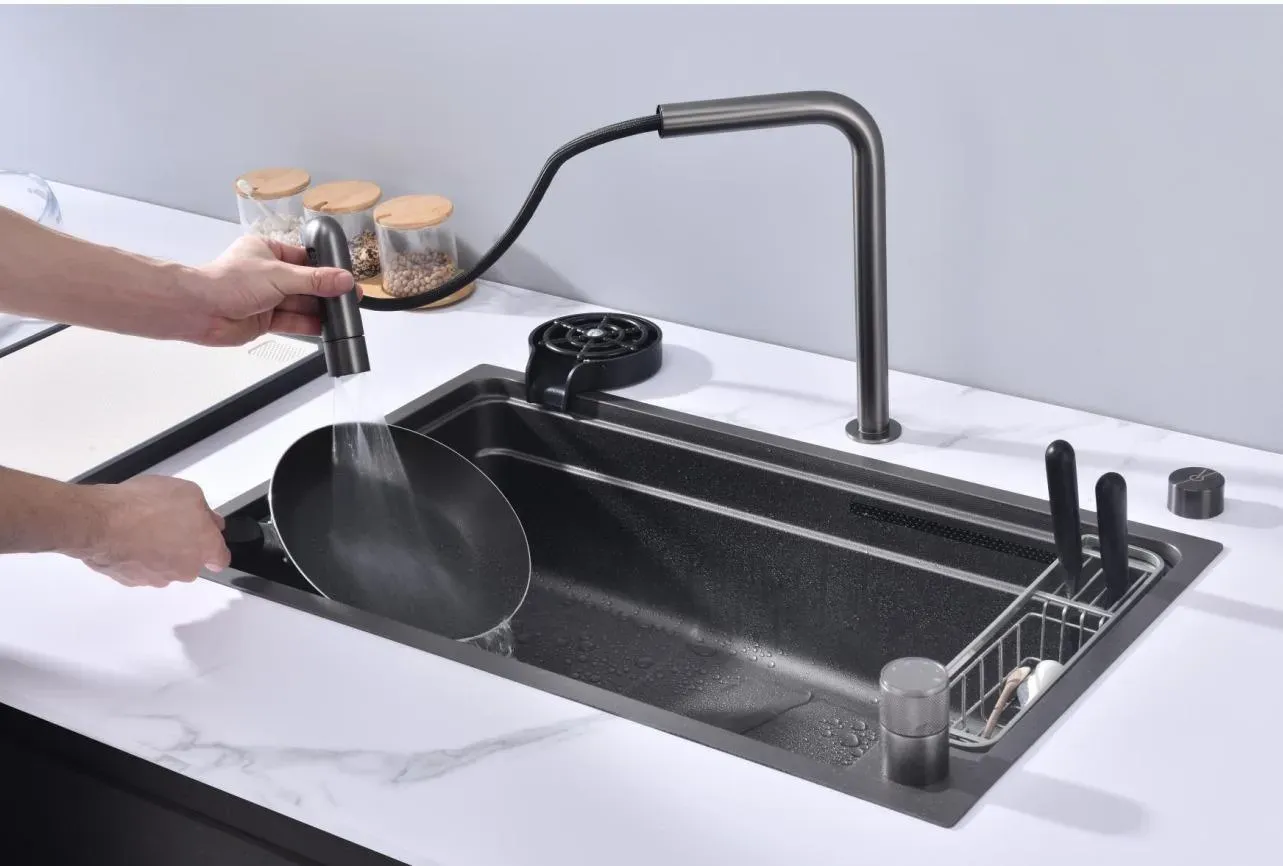
Installing a waterfall sink involves several crucial steps to ensure functionality and aesthetic appeal. Paying attention to these details can make the installation process smoother and more efficient. Below are essential tips to help you successfully install your waterfall sink.
-
Prepare the Countertop Level: Ensure the countertop is level before installation. This step is vital to prevent drainage issues and maintain a uniform look.
-
Use Silicone Sealant: Apply high-quality silicone sealant around the sink's edges to prevent leaks and facilitate a tight fit.
-
Align with Plumbing Connections: Check for proper alignment with plumbing connections to avoid complications during installation. Adhering to manufacturer guidelines can also simplify the process.
Maintenance Practices
Proper maintenance is essential to prolong the life of your waterfall sink and keep it looking new. A regular cleaning routine will help prevent grime and buildup, ensuring your sink remains functional and visually appealing.
-
Regular Cleaning with Mild Soap: To maintain your sink's appearance, clean it regularly using mild soap and warm water. Avoid harsh chemicals that could damage the surface.
-
Avoid Scratches from Sharp Objects: Be cautious when using sharp utensils to prevent scratching the sink's surface. Using cutting boards is advisable.
-
Check Plumbing Connections for Leaks: Regularly inspect plumbing connections for leaks or issues. Prompt repairs will prevent further damage and maintain sink integrity.
Additional Considerations
When choosing a waterfall sink, it's important to think about various factors beyond just design and material. These considerations can influence your satisfaction with your selection and its practicality in daily use.
-
Eco-Friendly Options Available: As sustainability becomes increasingly important, consider options made from eco-friendly materials that reduce environmental impact.
-
Consider Integrating Accessories for Functionality: Think about additional accessories or features that could enhance the functionality of your sink, such as integrated cutting boards, colanders, or soap dispensers.
What Are Waterfall Kitchen Sink Styles Popular in Australia?
In Australia, waterfall sinks are becoming a popular choice for homes, especially with the increasing demand for modern kitchen designs. Some trending styles include undermount sinks for a sleek finish, top-mount sinks for easy installation, and farmhouse sinks for those looking for a statement piece that combines functionality with style.
How Do Modern and Minimalist Designs Influence Waterfall Sink Choices?
Modern and minimalist designs are influencing homeowners to opt for simpler, cleaner lines in their kitchen designs. Waterfall sinks that feature unadorned shapes and smooth finishes are preferred as they align with the minimalist aesthetic while providing impressive functionality in everyday use.
Which Waterfall Sink Shapes and Sizes Optimise Australian Kitchen Spaces?
Choosing the right shape and size of a waterfall sink is crucial for maximising kitchen space. Rectangular sinks tend to offer more surface area for washing while being spacious enough for various kitchen tasks. Always consider the dimensions of your kitchen area to ensure a good fit and adequate functionality.
Which Materials Offer the Best Durability for Waterfall Sinks in Australia?
Stainless steel and granite composite are two of the most durable materials suitable for Australian kitchens. Given Australia's varied climate, these materials withstand extreme temperatures and maintain their integrity over time.
What Are the Pros and Cons of Granite, Quartz, and Composite Sinks?
When evaluating sink materials for a waterfall design, it's important to consider their strengths and weaknesses:
|
Material |
Pros |
Cons |
|---|---|---|
|
Granite |
Highly durable and heat-resistant |
Requires careful cleaning and sealing |
|
Quartz |
Non-porous and available in many colours |
Can be scratched or chipped |
|
Composite |
Resistant to staining and available in various designs |
May require more costly maintenance |
This comparison demonstrates the unique characteristics of each material, helping homeowners make informed decisions based on their cooking habits and lifestyle.
How Does Stainless Steel Compare for Longevity in Australian Conditions?
Stainless steel is renowned for its longevity, especially in Australian conditions. It resists rust and corrosion, making it ideal for kitchens exposed to moisture. With proper care and maintenance, stainless steel sinks can last for many years, retaining their appearance and functionality.
How to Install a Waterfall Sink: Tips and Installation Types for Australian Kitchens
Installing a waterfall sink requires attention to detail to ensure a flawless outcome. The three primary installation methods are:
What Are the Differences Between Undermount, Top-Mount, and Integrated Installations?
-
Undermount Installation: This involves securing the sink beneath the countertop for a seamless appearance, ideal for modern aesthetics.
-
Top-Mount Installation: A straightforward approach where the sink sits atop the countertop, making replacement easy.
-
Integrated Installation: A luxurious option where the sink and countertop are a single piece, offering a unified look and easy maintenance.
What Installation Considerations Suit Australian Kitchen Layouts?
Consider the layout, plumbing, and location of the sink in relation to other kitchen features. Customisation may be necessary for certain designs, especially in smaller or uniquely shaped spaces.
How Do Waterfall Sinks Compare to Farmhouse Sinks in Style and Function?
Waterfall sinks and farmhouse sinks serve different aesthetic and functional purposes. While waterfall sinks focus on a sleek, modern design, farmhouse sinks provide rustic charm and substantial basin space.
What Are the Key Aesthetic and Functional Differences?
The main aesthetic difference lies in the sophistication of waterfall sinks compared to the bold, traditional aesthetics of farmhouse sinks. Functionally, farmhouse sinks often feature deeper basins, whereas waterfall sinks may prioritise a seamless look without sacrificing usability.
Which Sink Style Fits Australian Kitchen Trends in 2026?
Emerging trends suggest that Australian kitchens will increasingly favour minimalist designs complemented by sleek waterfall sinks that align with contemporary lifestyles. Homeowners are focusing on clean lines and practical function.
What Are the Latest Australian Kitchen Sink Trends for 2026 Including Sustainability?
Sustainability is a fundamental consideration for 2026. Eco-friendly materials are in high demand, alongside innovations that maximise efficiency in water usage and sustainability.
How Are Eco-Friendly Materials Changing Waterfall Sink Choices?
The rise of environmentally friendly materials, such as recycled composites and sustainably sourced stones, is prompting homeowners to select sinks that are not just visually appealing but also kind to the planet.
What Design Preferences Are Emerging in Australian Kitchens?
Modern Australian kitchens are increasingly emphasising minimalism, functionality, and unique materials that offer both style and practicality. These preferences shape the choices made by homeowners concerning their waterfall sink selections.
How to Maintain and Prolong the Life of Your Waterfall Sink in Australian Homes?
Proper maintenance allows homeowners to enjoy their waterfall sinks for years. Adopting good care practices is essential.
What Care Practices Suit Different Sink Materials?
-
For stainless steel: Clean with mild soap and avoid abrasive scrubbing tools.
-
For granite composite: Use gentle cleaners that do not contain acids.
-
For stone: Regularly seal to prevent staining and avoid harsh chemicals.
How Does Australian Climate Affect Sink Durability?
Australia's varied climate, from humid coastal areas to arid inland regions, necessitates consideration of material choice. Stainless steel remains the most resilient across different conditions, while natural stones may require more protection against extreme weathering.