


Choosing the Right Kitchen Sink for Your Australian Renovation: Waterfall vs Farmhouse vs Undermount Styles
Choosing the Right Kitchen Sink for Your Australian Renovation: Waterfall vs Farmhouse vs Undermounts
By Hayden Hus, Sydney Homewares
Selecting the ideal "kitchen sink" is crucial for any renovation, especially in Australian homes where and functionality meet diverse cooking needs. This article examines three prominent sinks: waterfall, farmhouse, and undermount. Homeowners often face challenges in choosing the right design that complements their kitchen aesthetics while providing optimal functionality. Each offers unique features and benefits, helping you find the perfect fit for your kitchen renovation.
In this guide, we'll explore key comparisons of these sinks, the essential features of each design, their integration with Australian kitchens, material suitability, installation methods, and maintenance tips. We’ll conclude with insights into ensuring your sink remains a functional centerpiece for years to come.
Comparison of Kitchen Sinks: Waterfall, Farmhouse, and Undermount
When choosing a kitchen sink, understanding the fundamental differences betweens is essential. The waterfall, farmhouse, and undermount sinks each present distinct attributes that cater to various tastes and needs.
Design Features:
Waterfall sinks are characterized by their sleek, integrated design that allows water to flow directly into the sink from a high point, creating an elegant aesthetic. Farmhouse sinks, also known as apron front sinks, boast a large front-facing apron, adding a rustic charm that offers substantial workspace. On the other hand, "undermount sinks" are mounted beneath the countertop, providing a seamless look that simplifies cleaning and enhances countertop space.
Functional Benefits:
Each sink brings specific functional advantages. Waterfall sinks allow for easier filling of pots, maximising efficiency, while the expansive surface of farmhouse sinks supports larger dishes and pots. Undermount sinks enhance the use of counter space, allowing for smooth transitions from countertop to sink, reducing debris buildup.
Aesthetic Fit in Kitchen Renovations:
Visually, waterfall sinks harmonize with modern, minimalist designs, offering a sophisticated touch. In contrast, farmhouse sinks fit beautifully into rustic or traditional kitchens, emphasising craftsmanship. Undermount sinks, with their clean lines, suit a range ofs, from contemporary toic, enhancing the overall aesthetic flow of the kitchen.
What Are the Key Features of Waterfall, Farmhouse, and Undermount Kitchen Sinks?
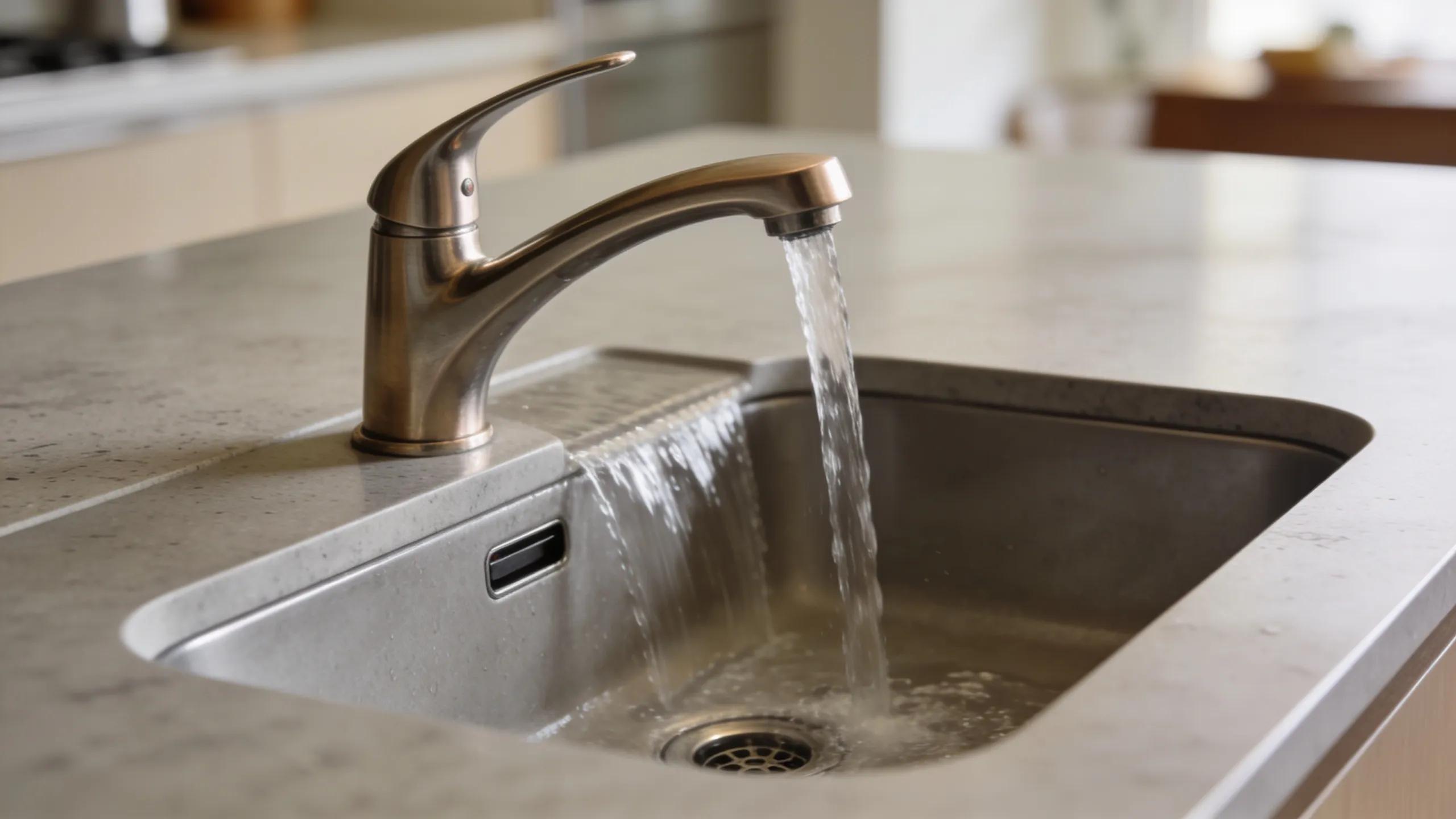
Let's delve into the specific details that define these sinks, focusing on their primary features and materials.
Waterfall Sinks
Waterfall sinks offer both beauty and practicality. Their unique design allows for maximum accessibility, making them ideal for busy kitchens. Waterfall sinks can be made from various materials, including stainless steel and natural stone, providing durability and. These sinks also often feature integrated drain systems, enhancing their sleek appearance.
Farmhouse Sinks
Farmhouse sinks are known for their depth and spaciousness, accommodating large cooking pots and baking trays with ease. Made from materials like fireclay and composite, they ensure longevity while maintaining visual appeal. Their traditional design complements a variety of kitchens and provides a charming focal point in any space.
Undermount Sinks
The undermount is practical for kitchen layouts where cleanliness and minimalism are desired. Installed beneath the countertop, these sinks allow for easy wipe-downs, reducing the mess around the sink area. Typically available in materials such as stainless steel and quartz composite, they blend seamlessly with countertops for a cohesive look.
Understanding the varied installation requirements is a helpful part of the selection process when comparing these different sink types.
A Comparison of Drop-in and Undermount Kitchen Sinks
Drop-in sinks present a less complex installation process compared to undermount alternatives. How Much, 2024
How Does a Waterfall Sink Integrate with Australian Kitchen Cabinets?
Waterfall sinks create a striking focal point when paired with Australian kitchen cabinets. The integration of this sink is enhanced by careful consideration of the surrounding cabinetry, ensuring a balanced design. Installing a waterfall sink usually requires precise measurements and professional installation to ensure both functionality and aesthetics are achieved.
What Design Elements Define a Farmhouse Sink?
Farmhouse sinks are recognised for several defining characteristics. The prominent apron design is one of the most recognisable features, often made from durable materials like ceramic or composite, enhancing their rustic appeal. The depth is another essential aspect, allowing for the handling of large quantities of dishes without causing damage to the surrounding cabinetry.
Which Kitchen Sink Materials Are Best for Australian Renovations?
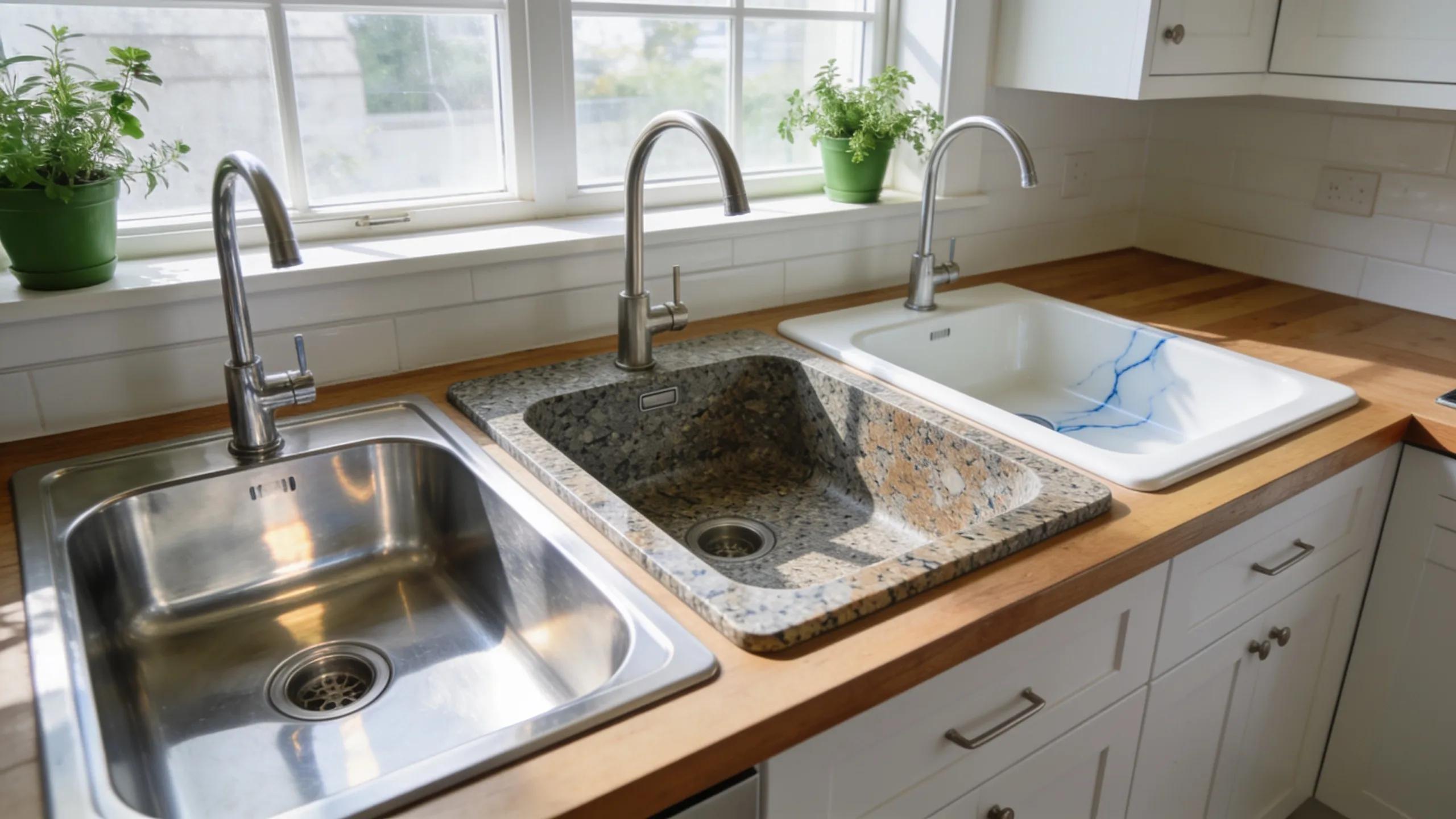
When choosing a kitchen sink, the material significantly impacts durability, maintenance, and aesthetic appeal. Here are some common materials and their benefits:
Material Type |
Characteristics |
Pros |
Cons |
|---|---|---|---|
Stainless Steel |
Durable, versatile |
Resistant to rust, easy to clean |
Can scratch and dent |
Granite Composite |
Strong, modern |
Resistant to scratches and chips |
Limited colour options |
Porcelain |
Classic, elegant |
Easy to clean, wide colour variety |
Can chip and stain |
Stainless steel and granite composite are among the most popular materials for Australian renovations due to their balance of durability and aesthetic appeal.
What Are the Pros and Cons of Stainless Steel and Granite Composite?
Stainless steel sinks are favoured for their resilience and compatibility with most kitchen designs. They are easy to maintain, but can show scratches over time. Conversely, granite composite sinks offer excellent durability and resist scratching, making them a popular choice for busy kitchens, though they may require more careful cleaning to avoid staining.
How Do Porcelain and Other Materials Impact Durability and Maintenance?
Porcelain sinks provide aic look but can be prone to chipping and staining over time, requiring regular upkeep to maintain their appearance. In contrast, materials like granite and quartz composites offer greater durability and longevity, making them excellent choices for high-use kitchens.
How Do Installation Methods Affect Kitchen Sink Choice and Compatibility?
Choosing the right installation method is crucial for compatibility with your kitchen layout. Different approaches suit different design preferences and practical requirements.
What Are the Differences Between Topmount, Undermount, and Integrated Waterfall Installations?
Topmount sinks sit above the countertop, making installation straightforward but can create visual inconsistencies. Undermount sinks provide a clean look, enhancing countertop usability. Integrated waterfall sinks require a more complex installation process but yield impressive aesthetic results.
Which Installation Types Suit Australian Kitchen Layouts and Renovations?
For Australian kitchens featuring modern layouts, undermount or integrated waterfall installations are often preferred for their sleek designs. Farmhouse sinks, whether topmount or undermount, can also provide a functional and stylish choice, particularly in rustic or traditional settings.
What Maintenance Tips Ensure Longevity of Waterfall, Farmhouse, and Undermount Sinks in Australia?
Maintaining your kitchen sink is essential for preserving its aesthetics and functionality. Regular cleaning and care will extend its lifespan and keep it looking new.
How Does Material Choice Influence Cleaning and Durability?
The material plays a significant role in how easy it is to maintain a sink. Stainless steel sinks require regular wiping to prevent water spots, while granite composite and porcelain may need "gentle cleaning solutions" to avoid scratches and staining.
What Are the Cost and Longevity Considerations for Each Sink?
When considering costs, stainless steel sinks are typically less expensive than their granite composite counterparts. However, the longevity and performance of materials like granite can justify the initial investment. Therefore, homeowners should weigh aesthetics against practical maintenance and budget constraints when choosing their sink.